Beating the Summer Heat: Producers encouraged to mitigate reproductive loss during hot summer weather
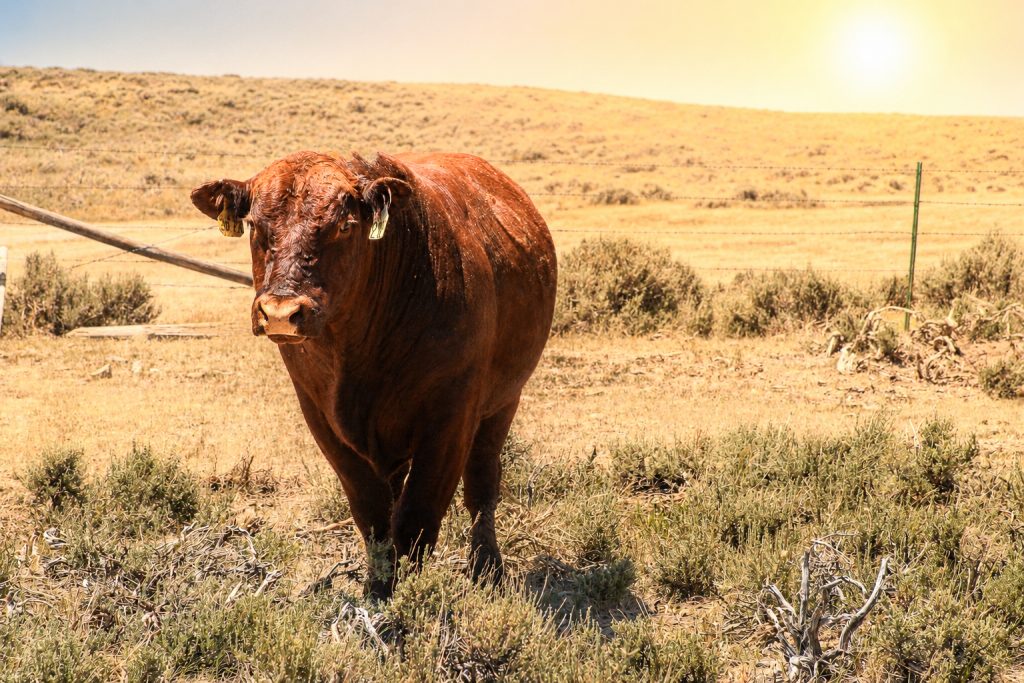
June 1 marks what many consider the beginning of summer, and this year, the season arrives amid heightened concerns around hot, dry weather; ongoing drought conditions and increased risk of wildfire across much of the West.
With calves branded and cattle turned out to summer range, reproductive performance may be one of the last things on many producers’ minds. However, experts note prolonged periods of heat can take a significant toll on herd fertility and breed-up rates.
While heat stress is often associated with reduced gains and animal performance, its impacts on reproduction can be just as significant. Extended periods of high temperatures can affect fertility in both cows and bulls, resulting in lower conception rates, pregnancy loss and longer calving seasons.
According to multiple livestock specialists, providing adequate shade, clean water, proper nutrition and effective fly control can go a long way toward minimizing reproductive losses during the hottest months of the year.
Hidden reproductive loss
In a June 7, 2024 Progressive Cattle article, Iowa State University Extension Beef Veterinarian Dr. Grant Dewell notes decreased reproductive performance is often one of the less visible consequences of heat stress in cow herds.
“Poor reproductive performance is often a hidden outcome of heat stress in cow herds,” he states. “Heat stress can decrease the fertility of both the cow and the bull. Additionally, bulls can become less active while breeding and cows may not have as strong of a heat cycle.”
For cows, excessive heat can interfere with normal reproductive processes in several ways.
During periods of extreme temperatures, Dewell says cows may struggle to maintain their normal body temperature, which in turn may damage developing ovarian follicles. These damaged follicles may be less fertile during ovulation, potentially impacting conception rates well into the fall.
“Even if cows were ovulating fertile follicles when the heat event occurred, they may not express enough estrus behavior because of extreme temperatures,” Dewell says. “Cattle undergoing stress release cortisol, which will decrease estradiol, reducing heat expression in the cow.”
If a cow does get bred and have a calf, Dewell notes elevated body temperatures can still create challenges.
“The embryo is at risk of embryonic death from heat stress due to decreased blood flow to the uterus as the cow tries to maintain body temperature and possibly experiences a reduction in progesterone production,” he states.
According to information published by BioZyme, Inc. on May 1, research conducted at Oklahoma State University found pregnancy rates decreased by as much as 50 percent when cattle were bred during cooler conditions and later exposed to moderate or severe heat stress.
Findings from the study also showed surviving fetuses from heat-stressed cows tended to be smaller and were more likely to be lost later in the pregnancy.
Cows are just half of the equation, though.
With bulls servicing roughly 20 to 30 cows each breeding season, ensuring they remain fertile during hot summer months is also critical.
According to a 2018 VitaFerm article, heat stress negatively impacts spermatogenesis and can reduce sperm quality and quantity, affecting motility, concentration and total sperm numbers.
The challenge, however, is these effects aren’t often immediately visible to producers.
“The negative effects on semen quality are not usually realized for 45 to 60 days after the stress occurs since the testes and tubules store an abundant amount of sperm,” VitaFirm officials explain. “This is why it is always important to have a thorough breeding soundness exam 30 to 60 days before turning bulls out with cows.”
In addition to impacting sperm production, Genex Beef Sales and Marketing Director Ron Hinrichsen mentions heat stress can also cause lack of libido in bulls.
“When bulls are hot and unable to cool themselves down, they tend to stand in ponds or under shade. Cattle aren’t performing – regardless if they are a bull or female – if they are standing under a tree or out in a pond,” Hinrichsen says.
Kansas State University Veterinarian Dr. Bob Larson further notes even relatively short periods of heat stress can have lasting consequences.
“Heat stress events as short as two days can disrupt testicular tissue, resulting in negative effects on sperm motility, shape and function. The degree of sperm damage and the length of time the damage persists depends on the intensity and length of the heat stress insult,” Larson says in a 2025 Angus Journal article.
He goes on to note the resulting damage can lead to abnormal sperm development, decreased fertility and lower embryo survival rates, and depending on the severity of the heat event, recovery may take anywhere from a few weeks to more than two months.
Managing heat stress
Although producers cannot control hot summer temperatures, they can take steps to reduce heat stress and maintain reproductive performance.
Experts agree providing access to cool, clean drinking water is one of the most important management practices, noting water requirements can increase dramatically during hot weather and inadequate intake can quickly worsen heat stress.
Dewell warns stagnant ponds and surface water sources may not be adequate if cattle are congregating in them to cool off.
“Although cows can survive drinking this water and will not become dehydrated, they will not want to consume adequate amounts to deal with heat stress and maintain high reproductive performance,” he explains.
Shade is also critical. Trees, shade structures and properly ventilated buildings can help cattle escape direct sunlight and lower body temperatures during the hottest portions of the day.
Additionally, experts recommend only working cattle during cooler times of day, such as early in the morning or late in the afternoon; running cattle more suitable to the environment and maintaining a ratio of no more than one bull to 30 cows.
The specialists also underscore the value of a good nutrition program.
Kevin Glaubius, director of nutrition for BioZyme, explains the abrupt transition between high-energy rations and forage-based grazing can cause issues, especially in young bulls.
“Make sure bulls have a good nutrition program in place including a high-quality mineral,” he says. “Often, younger bulls are purchased in a bull sale where they have been on a high plane of nutrition. When they stay on a grain diet until it is time for turn out, their rumen must quickly adjust to a total forage diet, adding yet another stressor.”
To prevent this, he recommends transitioning bulls to forage diets at least 30 days before turnout to minimize nutritional stress.
Fly control is another important component to mitigating the impacts of heat stress.
Officials at BioZyme note cattle will often bunch together to fight flies, lowering air circulation and resulting in elevated heat stress.
Fly tags, oilers, dusters and other control methods can help control flies and keep cattle comfortable through the summer.
Planning ahead
As summer progresses and temperatures rise, livestock specialists remind producers to view heat stress as more than just a livestock discomfort issue.
Reduced conception
rates, pregnancy loss and fertility problems can affect herd productivity long after temperatures return to normal.
By ensuring cattle have adequate water, shade, nutrition and pest control, producers can help protect reproductive performance and maintain profitability despite challenging summer conditions.
Hannah Bugas is the managing editor of the Wyoming Livestock Roundup. Send comments on this article to roundup@wylr.net.