NWS expects drought to worsen in Wyoming
According to the National Drought Mitigation Center’s (NDMC) April 2026 Drought Climate Summary and Drought Impacts Summary, both published on May 11, drought conditions worsened across most of the High Plains during the month of April, heightening concerns for producers who are already dealing with dry pastures, poor soil moisture and tightening forage supplies.
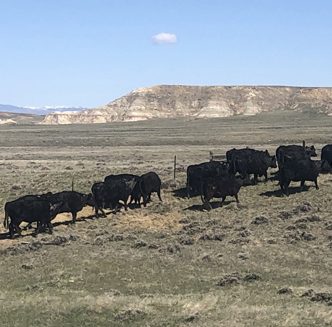
The Drought Climate Summary notes extreme drought expanded across large swaths of eastern Wyoming, western Nebraska, Colorado and Utah, while warmer-than-normal temperatures and below-average precipitation continued stressing rangelands and crops.
Forecasters with the National Weather Service (NWS) Climate Prediction Center now expect drought to persist or expand across the High Plains and broader West throughout the month of May.
Drought conditions in the High Plains
NDMC reports drought conditions across the High Plains “grew in coverage and intensity” in April, with areas of Wyoming, central and western Kansas, eastern Colorado, southern South Dakota and western Nebraska experiencing one- and two-category degradations.
By the end of the month, extreme drought and a few areas of exceptional drought covered large portions of eastern Wyoming, western Nebraska, southwest South Dakota and northern and southern Colorado.
“In the High Plains, from March 31 to April 28, moderate drought or worse coverage grew from 65.54 to 69.31 percent, severe drought or worse coverage grew from 45.45 to 57.48 percent and extreme drought or worse coverage grew from 23.26 to 29.41 percent,” outlines the report.
Additionally, precipitation remained well-below normal across much of Wyoming and other High Plains states.
Parts of eastern Wyoming, eastern Colorado, western Nebraska and western Kansas received less than 50 percent of precipitation they usually see during the month of April, while portions of eastern Kansas and southeast Nebraska fared even worse, with some areas receiving 200 percent less than normal precipitation for April.
Warmer temperatures also added to the mix.
“In the southern half of the region, warmer-than-normal temperatures abounded, with eastern Kansas finishing April six to eight degrees above normal,” NDMC explains. “Temperatures in Colorado and much of Nebraska finished two to six degrees warmer than normal.”
Unfortunately, the NWS Climate Prediction Center outlook shows little relief in sight for Wyoming and most of the West.
“The drought outlook for May favors drought continuation or expansion across much of the Great Plains and the West,” NDMC states. “Drought development is forecast in parts of Washington, northwest Oregon, northern Idaho, western and eastern Montana, parts of South Dakota and western North Dakota, eastern Nebraska, northwest Iowa and southwest Minnesota.”
“Drought is expected to continue across most of Arizona, New Mexico, Oklahoma and the northwest half of Texas, western Kansas, Nebraska, southern South Dakota, much of Washington, Oregon, Montana, Nevada and Idaho and across most of Wyoming and all of Colorado and Utah,” NDMC adds.
Wildfire concerns and water shortages
According to the Drought Impacts Summary, there were 6,765 drought-related impacts in 3,180 areas as of May 11, many tied to wildfire activity, water shortages and poor soil moisture conditions.
The most severe wildfire activity occurred in the South, especially in northern Florida and southern Georgia.
“On April 20, the Georgia Forest Commission responded to 46 new wildfires, burning 1,080 acres statewide. By April 22, wildfires across southern Georgia had burned over 53 square miles and destroyed 50 houses, moving so quickly residents did not have warning,” NDMC reports.
“Georgia saw numerous major wildfires throughout the month. The Pineland Road Fire, which began in Clinch County, Georgia on April 18, expanded to over 16,000 acres in just four days at only 10 percent containment,” NDMC continues. “Another blaze, which was sparked on April 21 in Brantley County, Georgia, destroyed dozens of homes as it grew nearly six times in just half a day and threatened roughly 1,000 homes on April 22. At the time, 91 Georgia counties, especially in the southern half of the state, were under burn bans.”
By the end of April, Florida was also battling an onslaught of wildfires, including 130 different fires sprawling 39 square miles.
Fire restrictions expanded across portions of the High Plains and Rocky Mountain West as well.
After more than 10,000 acres burned in South Dakota earlier this spring, NDMC notes fire restrictions were implemented in the Black Hills National Forest, extending into the Black Hills in Wyoming.
Statewide fire restrictions were also enacted on New Mexico state lands in April after officials reported wildfire activity at more than double the seasonal average, the report states.
As drought conditions and subsequent wildfire risk intensified, water conservation measures became increasingly common across western states during the month of April.
According to NDMC, mandatory water restrictions were implemented in multiple Colorado communities, including Denver; Durango, Colo.; Northglenn, Colo. and Pagosa Springs, Colo., and several other municipalities enacted voluntary conservation measures as reservoir levels declined.
Most notably, Denver Water announced plans to drain and temporarily close South Park’s Antero Reservoir to maintain downstream supplies to the Cheesman Reservoir via the South Platte River. Officials said the recreation area surrounding the reservoir will close to the public for the first time since the severe drought of 2002.
Additionally, communities in Arizona and Utah also enacted mandatory water restrictions in response to low water supplies.
The report notes, “Severe water restrictions were in effect in Kearny, Ariz., as the community risked running out of its water allotment by July 15. The town was down to just 10 percent of its normal allotment from the Gila River. Residents were urged to curb their water use by 30 percent, and car washing, lawn watering and pool filling were prohibited.”
“Northern Utah’s Weber Basin Water Conservancy District, encompassing more than 700,000 people in Davis, Weber, Summit, Morgan and Box Elder counties, was under mandatory restrictions requiring a 20 percent reduction in water use, while voluntary water conservation was urged in Salt Lake City,” the report continues.
Agriculture impacts
In addition, NDMC says dry soils and poor pasture conditions are increasingly affecting ag producers across the country.
In the South, livestock producers say they are hauling water, feeding hay early and reducing herd numbers due to limited forage supplies.
In Arkansas, Tennessee and Alabama, producers are facing limited feed availability, declining hay supplies and reduced forage quality, causing many to begin liquidating their herds, and in portions of the Southeast, dry ponds and deteriorating pasture conditions have forced producers to rely heavily on supplemental feeding earlier than usual.
Crop producers are also facing increased hardships.
NDMC reports farmers in several southern states delayed planting due to dry, compacted soils, while some irrigation ponds ran dry before crops were fully established.
With NDMC’s most recent reports indicating drought covers more than 76 percent of the High Plains Region and over 91 percent of the West, officials note sustained moisture will be key to reversing long-term drought impacts.
Without spring and early-summer moisture, concerns surrounding forage production, wildfire potential and ag-related water supplies are likely to intensify heading into late-summer months.
Hannah Bugas is the managing editor of the Wyoming Livestock Roundup. Send comments on this article to roundup@wylr.net.