Texas A&M team finds cattle feed additive can cause heart damage in dogs
A livestock feed additive commonly used to promote growth in cattle, swine and poultry may pose a serious risk to dogs, according to a new case report from researchers at Texas A&M University’s College of Veterinary Medicine and Biomedical Sciences (VMBS).
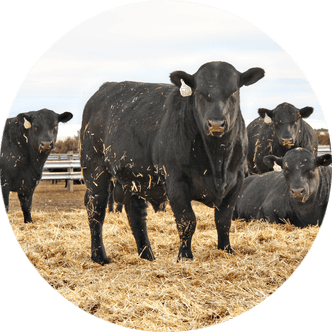
The report, published in Veterinary Record Case Reports, describes two cases of dogs treated at the Texas A&M Small Animal Teaching Hospital (SATH) which consumed ractopamine, an additive mixed into livestock feed to help animals such as cattle, pigs and poultry grow lean muscle, which dogs may accidentally ingest if they have access to feed or storage areas.
While both dogs experienced similar clinical signs, their outcomes differed significantly, highlighting the importance of early recognition and treatment.
“This had not previously been described in veterinary literature as a natural exposure in dogs,” said Dr. Sonya Wesselowski, associate professor of cardiology in the VMBS Department of Small Animal Clinical Sciences. “Being able to document these cases helps raise awareness of what can happen and how serious it can be.”
In one case, the dog’s owners quickly realized their dog had consumed the feed additive and induced vomiting shortly after ingestion. The dog later required hospitalization for cardiac monitoring and supportive care but ultimately recovered and returned to a normal life.
In contrast, the second dog was found in critical condition after an unknown period of exposure on a rural property.
Without early treatment, the dog developed severe cardiac complications and died despite intensive treatment.
“Because this resulted from exposure to a common feed additive, one of the most important things for us is getting this information into literature so it becomes something veterinarians can recognize and act on,” said Sophie Tippit, a VMBS Doctor of Veterinary Medicine (DVM) candidate.
For pet owners, especially those in agricultural settings, the findings highlight the importance of keeping livestock additives out of reach of dogs to limit the possibility of accidental ingestion.
The effects of ractopamine on the heart
When the two dogs were brought to the SATH, both were experiencing significant cardiovascular effects, including abnormal heart rhythms and elevated cardiac troponin levels, a blood marker which indicates damage to the heart muscle.
“These cases show us this particular drug overstimulates the body’s fight-or-flight system, essentially putting the heart into overdrive,” Wesselowski said. “When this happens excessively, it can cause direct damage to the heart muscle cells and trigger dangerous arrhythmias.”
The cases also revealed an important clinical consideration for veterinarians – standard treatments for certain heart rhythm disturbances were not effective in these patients.
“Typically, when we see ventricular arrhythmias, we reach for drugs like lidocaine first,” Tippit said. “But because of how ractopamine works, it wasn’t effective. Once we understood the mechanism, using beta blockers made much more sense and was more successful.”
Because ractopamine is commonly used in livestock production, the findings are particularly relevant for pet owners in agricultural and rural settings.
“Many owners don’t realize these types of feed additives can be harmful to their companion animals,” Tippit said.
Because these exposures can happen unintentionally, prevention is especially important for pet owners.
“Wherever these products are stored, they need to be kept inaccessible to dogs,” Wesselowski said. “If there’s any concern about exposure, seeking veterinary care quickly can make a critical difference.”
Advancing veterinary knowledge through clinical cases
The case report highlights how the Texas A&M Veterinary Medical Teaching Hospital uses real-world cases to expand veterinary knowledge and improve patient care beyond a single clinic visit.
“When cases come through our hospital, we’re focused on helping the individual patient and client,” Wesselowski said. “But there’s also a bigger mission – sharing what we learn and helping future patients.”
Because natural exposure to ractopamine in dogs had not previously been documented, publishing these findings provides veterinarians with new information which can guide diagnosis and treatment in similar cases.
“If they’re dealing with a possible toxin exposure in a dog living on a farm or ranch, this is something to have on their radar,” Wesselowski said. “Veterinarians should consider ractopamine exposure in cases involving unexplained arrhythmias and initiate treatment quickly, including decontamination and cardiac monitoring.”
The findings will also contribute to broader toxicology resources used by veterinarians, helping improve clinical decision-making in emergency situations.
“This becomes part of the knowledge base veterinarians can access when they’re working through cases like this,” Wesselowski said.
The work was supported in part by the VMBS Heart Trust, which plays a critical role in advancing learning and discovery within the hospital.
“Sometimes there are additional tests that won’t change the outcome for a patient, but they help us understand what’s happening and teach our students and residents,” Wesselowski said. “The Heart Trust fund allows us to do this without placing additional burden on the client.”
In this case, the fund made it possible to confirm the cause of toxicity, ensuring the findings could be shared with the veterinary community.
“It allows us to maximize what we learn from each case,” Wesselowski said. “Even when an outcome is tragic, we can use the knowledge to help other animals in the future.”
To help support cases like this and advance veterinary knowledge, visit the VMBS Heart Trust at vetmed.tamu.edu/giving/op-
portunities/heart-trust/.
Camryn Haines is the communications coordinator for VMBS. This article was originally published in VMBS News on May 5.