BCRC discusses ways to stretch the spring grazing season
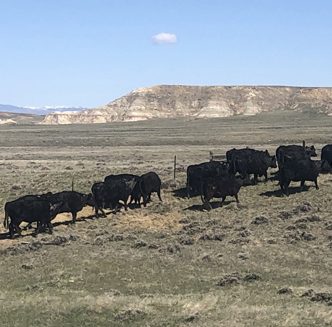
For many livestock producers, the transition from winter feed to spring pasture is one of the most critical points on the production calendar. Turning animals out too early may stress growing forage and reduce overall productivity, while delaying turnout may mean increased feed costs and associated labor.
However, with thoughtful planning and adaptive grazing strategies, producers can extend their grazing season earlier into the spring – reducing reliance on stored feed, improving animal health and increasing profitability.
In an article published on Feb. 18, the Canada-based Beef Cattle Research Council (BCRC) notes one way to accomplish this is through the use of stockpiled forage, a system in which forage reserves are built up during the prior growing season to use as soon as ground conditions allow in the spring.
“Early-season grazing isn’t about moving from pen to pasture. It’s about strategically managing cool-season grasses to balance nutrition, regrowth potential and pasture longevity,” BCRC explains. “With the right timing, species selection and rest strategies, producers can take advantage of stockpiled forage and cool-season grasses to start off the grazing season before warm-season or native forages are ready.”
Understanding stockpiling
To begin, BCRC explains stockpiling refers to the practice of allowing forage to accumulate ungrazed through late summer and into fall so it can be grazed at a later date.
Although this method is traditionally used to extend grazing into the winter and fall, BCRC says it can also provide valuable forage in early spring when perennial grasses are beginning to green up but warm-season forages are not quite ready.
BCRC also highlights the benefits of extending grazing into early spring, which include reducing feed costs, maintaining or improving pasture productivity, providing two grazing periods in one season and supporting calving management systems.
“For producers who don’t use confined winter-feeding systems, early grazing helps bridge the gap between stored feed and the full return of seasonal forages,” BCRC states.
Planning in advance
BCRC emphasizes successful early grazing systems require planning months in advance.
The council notes, since stockpiled forage requires time to accumulate, producers must designate certain pastures or portions of a pasture where they reduce grazing or implement a full season of rest in order to let the grass grow.
According to multiple grazing management guides, deferring grazing for 60 to 80 days before the growing season ends in these areas will allow for substantial forage accumulation.
Other important considerations highlighted by BCRC include rotating the timing of pasture use and choosing pastures based on location and forage typed.
“Begin the grazing season in a different pasture each spring and vary the schedule annually across paddocks,” BCRC recommends. “Develop and follow a grazing plan to ensure pastures are used within their capacity for recovery.”
When it comes to choosing pastures, BCRC says high and dry areas with firm soil are typically the best places to start grazing in early spring, as these sites are less susceptible to hoof damage and soil compaction when conditions are still wet.
The council also urges producers to prioritize cool-season species like crested wheatgrass, smooth bromegrass and tall fescue, since they start growing earlier in the spring and can tolerate light grazing while maintaining plant vigor.
Managing early growth
Additionally, BCRC notes in order to successfully graze livestock in early spring, producers must first understand how grass grows and manage pastures accordingly.
During the earliest stage of growth, plants rely heavily on energy reserves stored in their root systems, so if too much leaf material is removed at this stage, plants lose the ability to photosynthesize efficiently, which slows growth and weakens root systems.
Because of this, BCRC says grazing strategies must prioritize plant recovery.
“Rest periods are critical during early spring grazing. Because plants initiate growth during this period, grazing plans need to include adequate rest to allow for plant recovery and regrowth,” the council states. “Providing sufficient rest increases both above and belowground plant biomass, carbohydrates and growth rates when compared to plants grazed without a recovery period.”
Without adequate rest, desirable forage species may lose their competitive advantage, and over time, this may lead to increased encroachment of undesirable plants or invasive species.
Considering skim grazing
Beyond stockpiling, BCRC says producers may consider additional strategies when trying to stretch the grazing calendar.
One approach is known as skim grazing and involves moving cattle through pastures quickly while removing only a small portion of available forage – generally less than 50 percent.
In this method, cattle essentially only graze the tips of plants, leaving enough leaf material for continued photosynthesis.
BCRC notes the rate at which producers move across pastures depends on herd size and pasture layout – with some operations moving cattle every few hours and others moving them every few days.
Monitoring cattle and conditions
To wrap up, BCRC underscores the importance of monitoring both cattle and pasture conditions closely during the early spring grazing period.
“Monitor when grass begins to grow in addition to stockpiled forage,” the council states. “When early season grazing is finished and cattle are moved to pastures with little or no stockpiled forage, ensure grasses in these pastures are at the three-leaf stage of growth or later.”
Cattle should also be evaluated to ensure their nutritional needs are being met.
BCRC notes while stockpiled forage provides valuable early grazing opportunities, it may not always meet the full nutritional needs of cattle, especially those that are calving or lactating.
BCRC recommends sampling standing forage and submitting it for feed analysis and quality testing to determine whether cattle require additional nutrients. In the case forage is not sufficient alone, protein, energy and/or vitamin and mineral supplementation may be necessary.
“Continue to monitor these pastures throughout the remainder of the grazing season to assess pasture recovery and regrowth,” BCRC concludes. “These observations can be used to plan for the upcoming year.”
Hannah Bugas is the managing editor of the Wyoming Livestock Roundup. Send comments on this article to roundup@wylr.net.