Winter Weather: Historic cold conditions prompt reminders for winter storm preparedness
As historic winter weather moves across the country, the U.S. Department of Agriculture (USDA) and other industry groups have issued reminders about preparing for cold conditions.
USDA emphasizes the importance of making a plan before winter weather hits and provides information about risk management strategies and disaster assistance resources available to impacted producers.
Food safety
Since storms can cause power outages and make travel to stores dangerous or impossible, having a food safety plan in place and stocking up on essentials ahead of time is important.
In a Jan. 23 press release, USDA provides some guidelines for navigating food safety in the midst of a winter storm.
USDA recommends keeping several days’ worth of ready-to-eat foods which do not require cooking or cooling on hand.
In the event of a power outage, USDA says refrigerators can keep food below 40 degrees Fahrenheit for roughly four hours, while a fully-stocked freezer should be able to stay cold for about 48 hours as long as opening doors is minimized.
Perishable foods which will not be eaten immediately, such as leftovers, milk, fresh meat and poultry, can be frozen to extend their safe storage time. For other frozen items, USDA says grouping foods together can help items stay cold longer.
USDA also encourages those in the path of a winter storm to freeze containers of water ahead of time, which can be placed around food to help maintain cold temperatures.
While these containers of water may be stored outside to keep chilled, the department warns to never place perishable food items in the snow as a means of maintaining cold since outside temperatures can vary and food can be exposed to animals and unsanitary conditions.
Protecting animals
Extreme winter conditions pose threats to livestock and pets alike. USDA reminds pet and livestock owners in the path of winter storms to prepare by ensuring animals have access to shelter, dry bedding and unfrozen water.
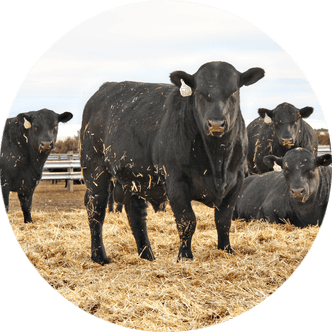
Although cattle are hardy animals, unmanaged cold stress can result in weight loss, sickness and even death.
In an article published on Jan. 20, the Texas A&M University (TAMU) College of Veterinary Medicine and Biomedical Sciences shares tips to prepare pets and livestock for freezing temperatures.
“Preparation looks different depending on location but the principles are the same,” says TAMU College of Veterinary Medicine and Biomedical Sciences Clinical Associate Professor Eric Kneese. “Reduce wind exposure, keep animals dry, ensure reliable water access and provide enough nutrition.”
Since cold, wet and windy conditions pose the greatest threat to animals, ensuring access to shelter and food is critical.
“If multi-day freezes are forecast, owners should bring pets indoors, stock food and medications and prepare warm bedding in case of power outages or burst pipes,” reads the article.
For livestock producers, protecting animals from the elements comes in the form of windbreaks and extra insulation.
“Producers should utilize windbreaks such as tree lines, brush, natural terrain features, barns or temporary barriers such as tarps or plywood on windward sides of shelters,” the article continues. “Rolling out hay can help provide dry, insulated ground for livestock to rest.”
Water and nutrition are crucial components of animal health which become even more essential during winter conditions.
Since cattle regulate their body temperatures through feed intake, increasing access to quality forage and hay is vital.
University of Nebraska Lincoln Extension reminds producers not to make drastic changes to daily rations, but instead to provide consistent, high-energy feed options during extended cold spells.
Further, a Jan. 23 DTN Progressive Farmer article by Jennifer Carrico reminds ranchers cattle on pastures may require more attention during winter storms.
Since snow can make grazing difficult and water can freeze, producers should consider providing additional hay and increasing frequency of checks.
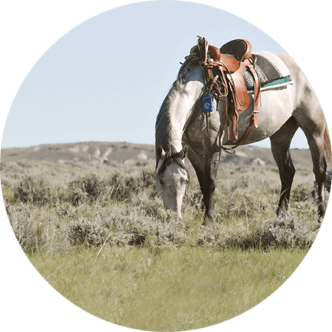
For equine owners, TAMU emphasizes horses benefit from access to run-in sheds, covered areas or barn aisles for shelter, while advice from an online forum called The Green Horseman reiterates the importance of providing plentiful forage and water while minimizing changes to the animals’ regular routine as much as possible.
Disaster assistance
For producers facing losses from severe winter storms, USDA outlines a variety of disaster assistance programs and risk management options.
The Jan. 23 press release issued by the department encourages producers to document all losses and contact their local USDA Service Centers as soon as they are able to safely do so.
Disaster relief for losses of livestock, crops, trees and conservation resources are available through organizations like the Natural Resources Conservation Service and Farm Service Agency (FSA).
Additionally, USDA says producers with Federal Crop Insurance or Noninsured Crop Disaster Program coverage should report losses to their insurance agent or local FSA office within 72 hours of discovering damage and follow up in writing within 15 days.
Further, the department emphasizes USDA’s Food and Nutrition Service remains on alert for requests for emergency nutrition assistance from states and local authorities.
For more information on disaster assistance resources in cases of winter storms, visit farmers.gov/protection-recovery/winter-storm.
Other recommendations
In addition to implementing food safety strategies and safeguarding animals, protecting homes and plants are also crucial components of successfully weathering winter storms.
TAMU reminds homeowners to winterize pipes and wells with pipe wrap and heat tape and recommends shielding pipes from direct wind, which can accelerate freezing.
Mike Arnold, a professor and horticulture specialist at TAMU, also reminds those with a green thumb to protect plants and gardening materials from freezing temperatures by applying two to three inches of extra mulch over roots, covering vulnerable plants with frost cloths or blankets, unhooking hoses and watering plants ahead of the freeze.
“Well-watered plants survive freezes better than drought-stressed ones,” Arnold comments. “Moist soil freezes more slowly, providing insulation during sudden temperature drops.”
Further, Arnold reminds gardeners to wait until late winter or early spring before pruning perennials, since dead growth provides protection and premature pruning can increase susceptibility to freeze damage.
Grace Skavdahl is the editor of the Wyoming Livestock Roundup. Send comments on this article to roundup@wylr.net.