ACR connects conservation and consumers
The Audubon Conservation Ranching (ACR) program works in partnership with farmers and ranchers to build better bird habitats by encouraging ranching practices which aid conservation efforts of native grassland bird species throughout the U.S.
An initiative of the National Audubon Society, the program’s enrollment includes more than 100 ranches amassing nearly three million acres which have earned status as Audubon Certified Bird-Friendly Land.
Consumers can search for bird-friendly beef and bison in select stores, where products from enrolled ranches are marketed with the Audubon Certified Bird-Friendly seal as a stamp of conservation in action.
Conservation ranching
The National Audubon Society estimates grassland bird populations have declined by more than 40 percent throughout the last 50 years.
To combat this, the organization works with producers to implement regenerative agricultural practices known as conservation ranching.
The ACR program was born from a desire to connect conservation-conscious producers and consumers in a mutually beneficial manner.
Because the majority of threatened grassland bird species are native to privately-owned lands – many of which are used for agricultural purposes – ACR is a way to connect conservation efforts with environmentally-conscious producers and consumers.
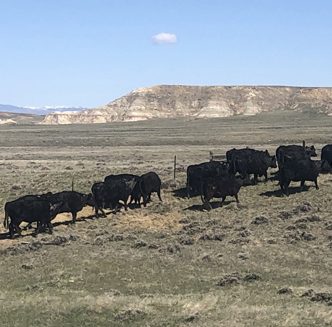
“Cattle and bison on Audubon-certified ranches are a living land management tool,” reads Audubon’s official website. “Ranchers rotate their herds regularly, enhancing soil fertility, water retention and biodiversity, while creating habitat for birds, pollinators and other wildlife.”
Program details
Landowners who choose to enroll in the voluntary ACR program work with Audubon to meet requirements on habitat management, environmental sustainability and animal welfare, as outlined by the organization.
Habitat management plans are site specific, with goals and actions outlined to target individual grassland bird species.
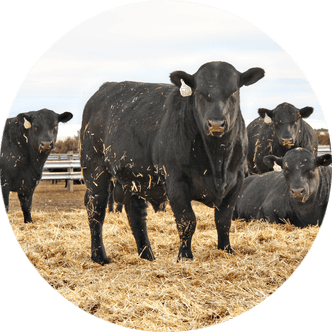
All meat products carrying the Audubon certified seal come from grassfed cattle and bison raised without antibiotics or added hormones.
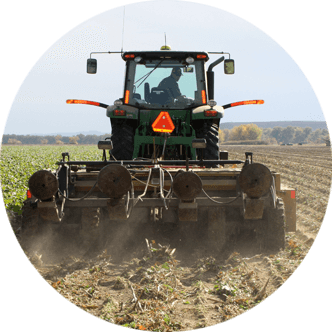
Producers must also minimize the use of fertilizers and pesticides when planting crops in order to encourage healthier soils, increase plant diversity and benefit pollinators.
Once all requirements are met, the landowner’s operation earns the Audubon Bird-Friendly Land certification and can then market meat to consumers “with an appetite for conservation” who are looking to incorporate conservation practices into their shopping habits.
Consumer connection
As conversations around conservation and the environment continue to grow, programs like ACR can provide unique opportunities for producers to expand markets and connect with consumers.
“Consumers with an appetite for conservation support it by purchasing products grazed on these lands,” reads Audubon’s official website. “Shoppers see a special package designation – the Audubon Certified Bird-Friendly seal – which sets these products apart.”
“Shoppers everywhere are looking for ecolabels and demanding meat from responsibly-managed operations,” the organization continues. “Consumers want to know how their food is produced, where and by whom and with what social and ecological consequences.”
Audubon’s Bird-Friendly Land certification supports grassland conservation and fosters connections across hundreds of thousands of acres in the U.S.
An interactive map created by Audubon displaying ranches, grocery stores, butcher shops and online retailers carrying ACR certified bird-friendly beef and bison can be viewed at birdfriendlyland.com.
Grace Skavdahl is the editor of the Wyoming Livestock Roundup. Send comments on this article to roundup@wylr.net.