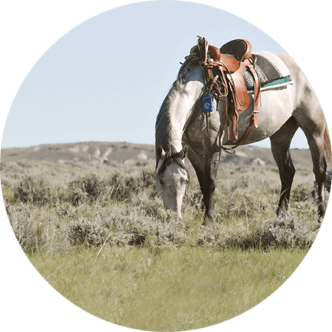
Disease Management: Assistant state veterinarian discusses disease prevention strategies
During the Wyoming Stock Growers Association (WSGA) Winter Roundup Convention and Trade Show, held Dec. 8-10 at the Ramkota Hotel and Convention Center in Casper, Wyoming Assistant State Veterinarian Dr. Rose Digianantonio discussed herd disease concerns and prevention strategies for Wyoming ranchers.
Digianantonio focused primarily on reportable contagious diseases and how producers can work with the Wyoming Livestock Board (WLSB) to mitigate and manage potential outbreaks.
She also provided an update on disease concerns circulating in recent news, such as equine herpesvirus (EHV-1) and New World screwworm (NWS) and stressed the importance of keeping good records and understanding animal disease traceability.
WLSB Animal Health
Digianantonio began her presentation by providing an overview of WLSB’s Animal Health team, which is composed of the Wyoming state veterinarian, assistant state veterinarians, animal health specialists and other administrative staff.
The team’s primary focus is preventing and controlling infectious disease outbreaks across livestock and wildlife species throughout the state through collaboration with producers, providing education and enforcing state and federal rules to help maintain herd health.
“State rules are guided specifically for things that happen in our state, so following those can be extremely helpful for decreasing disease risk,” Digianantonio said.
She also noted the importance of federal rules, admitting the language can be difficult to understand and encouraging producers to get in contact with her directly if a question arises.
Additionally, she encouraged attendees to sign up for WLSB’s e-mail updates, which send out disease alerts and up-to-date information as it becomes available.
The service is a great way for producers to stay in the know, according to Digianantonio, who noted the most recent updates have included information on the first confirmed diagnosis of vesicular stomatitis in the U.S. this year, updates on the recent EHV-1 outbreak related to rodeo events in Texas and Oklahoma and ongoing updates about NWS.
Although no cases of the aforementioned diseases have been reported in Wyoming, understanding information on disease proximity and patterns is important to staying protected and being able to recognize the signs in case of an outbreak.
Reportable diseases
As Digianantonio ex-plained, every state has a list of diseases which must be reported to the state in case of confirmed or suspected outbreaks.
Reportable diseases can differ by state, but the federal reportable disease list applies to all states and primarily includes foreign animal diseases like NWS and West Nile virus.
Digianantonio noted diseases like brucellosis, trichomoniasis, Q fever and highly pathogenetic avian influenza have had significant impacts on Wyoming producers in the past and have even spread to and from wildlife in some cases.
According to Digianantonio, a variety of factors determine whether a disease is deemed reportable, including the industry and species it threatens, its potential economic impact, level of infectiousness, severity of disease and whether vaccinations exist to help treat and control the spread of the disease.
Another important factor is whether or not the disease is able to be spread to humans.
“A big reason for the reportable disease list is the public health implications for people,” Digianantonio emphasized.
The purpose of the reportable disease system is to help mitigate all of these impacts and reduce widespread contagion. Once a disease is confirmed and reported, steps like quarantining and ongoing monitoring can begin to take place.
In addition to the listed diseases which can be viewed on WLSB’s official website, Digianantonio urged ranchers to monitor herds for signs of morbidity like lameness and lesions, as well as mortality events which may indicate the presence of a reportable disease even before a test confirms it.
She also reminded producers the importance of following state and federal rules around official identification (ID) like electronic ID tags and brand inspections in order to aid animal disease traceability in the event of an outbreak.
“A big part of disease response is animal disease traceability, which is the ability to obtain information about infected and exposed animals which are likely to spread disease,” said Digianantonio. “When we know where the animals are and where they have been, we can reduce the number of animals we possibly have to quarantine or do testing on.”
Given the number of animals crossing state lines, Digianantonio emphasized knowing as much as possible about their health history and travel background is important.
Mitigation and traceability
Digianantonio further emphasized producer involvement is crucial to the success of mitigating and managing the outbreak of infectious diseases and stressed the importance of good management practices and efficient communication in keeping herds healthy.
“A big part of disease mitigation is something producers do every day, which is taking care of animals,” stated Digianantonio. “Having appropriate nutrition and minerals and limiting stress as much as possible are some of the main things producers can use to combat disease.”
She then highlighted three things for producers to keep in mind regarding prevention, treatment and containment.
First, she noted steps to keep disease out of a herd, including isolating new animals until they are confirmed disease-free and monitoring for signs of abnormalities.
Second, Digianantonio noted vaccinations can be used in both prevention and treatment of disease, and unusual behavior like isolation or abnormalities such as drooling or lesions should lead to a veterinary consultation.
Finally, if a disease is confirmed, keeping the infection from leaving the herd and affecting others is crucial.
“Report signs when you see them, and don’t move any animals you’re concerned about diseases in,” she stated.
“It’s important to know what’s normal and what’s abnormal in your herds,” Digianantonio concluded. “Telling somebody about it helps with disease traceability and following the rules in our state can help prevent disease spread.”
Grace Skavdahl is the editor of the Wyoming Livestock Roundup. Send comments on this article to roundup@wylr.net.