Rancher discusses role of developing technology, artificial intelligence in ag
During the 32nd Annual Wyoming Women in Ag Symposium, held Nov. 6-7 in Gillette, Justin Mills, fourth-generation Wyoming rancher and host of the Working Ranch Radio Show, gave a presentation on the growing role of artificial intelligence (AI) in ranching.
In his presentation, Mills discussed the importance of embracing change in order to advance in agriculture.
Additionally, he emphasized the role of education in navigating the ever-changing technological landscape in order for producers to make informed decisions about incorporating AI and other new technology.
Adapting to advance
To kick off the conversation, Mills acknowledged technological advancements have always marked the agricultural industry.
“In ranching, there are various levels where we’ve seen the evolution of technology come into existence,” Mills stated. “As we evolve, we make adaptations to our operations.”
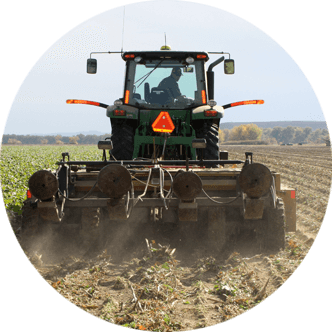
He provided examples of machinery like four-wheelers and tractors, and even the presence of more cattle operations in a state which used to be primarily sheep country, as examples of successfully incorporated change.
Although the impact of AI is new and unprecedented, Mills believes the technology to be a tool ag producers can learn to work with and make profitable.
“I believe if we don’t get some kind of mental clarity around what AI and newer technology can do, we are going to get left behind,” Mills emphasized.
“When it comes to change, we get two choices,” Mills said, explaining although change is inevitable, producers can either choose to embrace change and navigate the process proactively or be forced into it when other methods fail.
Although he views change as a necessary component of advancement, Mills also acknowledged the level of apprehension which often accompanies change.
According to Mills, people are often resistant to change for three main reasons – difficulty, risk and apprehension about losing tradition. He acknowledged these factors, but at the same time, stressed the alternative option poses a risk of being left behind.
“Sometimes we’re resistant to change because there’s pride in our heritage, and there’s nothing wrong with it,” Mills said. “I do not want to see our heritage go away, but I also firmly believe we have to be efficient.”
Staying sustainable
Mills then turned his focus to the topic of sustainability in ranching, which he defined as the ability to continue to make a living in agriculture and pass down the operation through the generations.
Sustainability hinges directly upon efficiency, according to Mills, who noted a lack of efficiency leads to a waterfall effect of decreased profit and decreased sustainability.
He explained, in order for a business to be sustainable, it must be profitable, and in order to be profitable, it must be efficient.
When used correctly, Mills asserted AI can help boost efficiency.
He gave examples of using ChatGPT to summarize potential impacts of ag-related legislation, incorporating virtual fences to cut down on labor inputs and using accounting software like Ambrook to manage and track finances.
Importantly, Mills emphasized these platforms are tools which can be used to enhance operations rather than total replacements for traditional ranching practices and critical thinking.
He urged the audience to verify findings from ChatGPT and continue to stay informed while incorporating AI technology.
Remaining informed
In closing, Mills emphasized the importance of seeking educational opportunities and staying informed about the changing technological landscape.
Determining when and whether to incorporate AI or other technology into a ranching program depends upon a producer’s individual needs.
Analyzing individual programs while increasing awareness of technological “wearables” such as smart tags and virtual fencing collars through events like field days, symposiums and webinars can prepare producers to take the next step in embracing change.
Mills concluded his talk by saying change is inevitable but producers can exercise control over whether they have to change or want to change.
He compared the concept of change to a knife, saying producers should try to stay on the cutting edge of technological advancements and incorporate change in a viable manner rather than being forced into it as a last resort.
“It’s not about being on the tip or at the hilt, it’s about being on the cutting edge,” he stated. “This is how we have to embrace technology.”
“To stay in production agriculture, we have to create a life that’s livable,” Mills emphasized. “We don’t use new tools because they’re trendy – we use them because we want our ranches to be around for another 50 years.”
Grace Skavdahl is the editor of the Wyoming Livestock Roundup. Send comments on this article to roundup@wylr.net.