Wildfire Watch: Early fires raise concerns for Western region
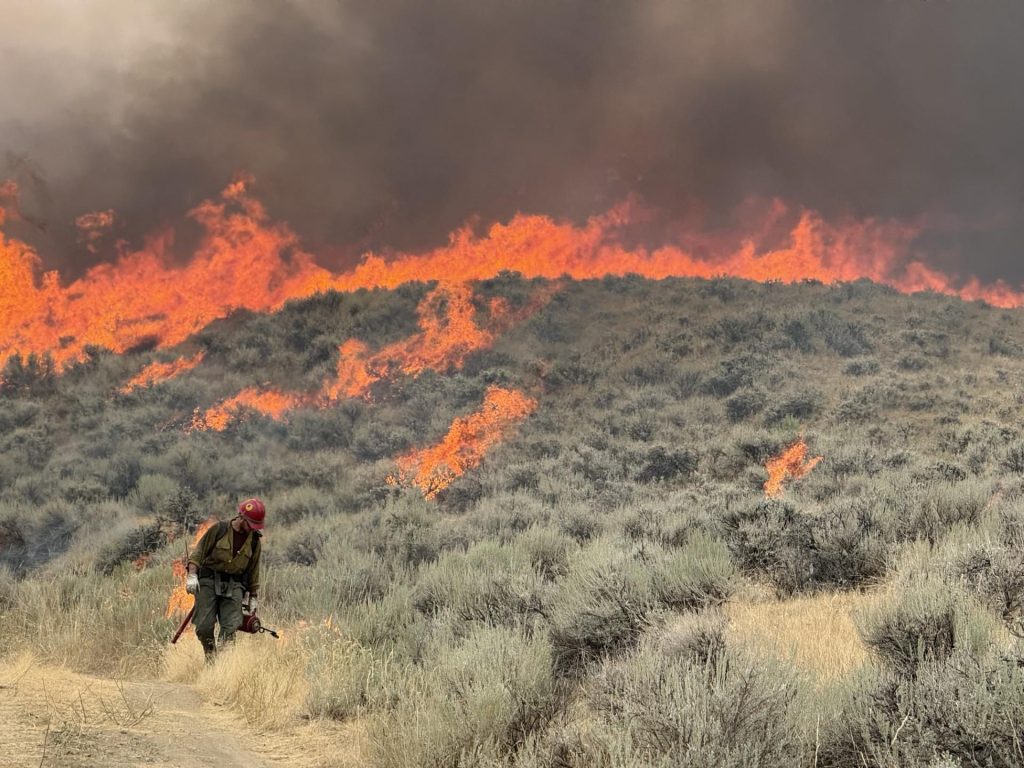
With summer only just beginning, wildfires have already scorched thousands of acres across Wyoming and neighboring states, prompting concerns among fire officials, ranchers and state residents that the 2026 fire season may arrive earlier and burn more aggressively than normal.
Although recent fires across the Cowboy State have been quickly contained, the combination of dry conditions, low snowpack and persistent winds have created conditions more indicative of those seen in late-summer than in early June.
According to officials, the recent Raven Creek Fire in northeastern Wyoming has become one of the state’s most notable early-season blazes, highlighting concerns about what could lie ahead for producers and rural communities in the West.
Raven Creek Fire
On June 7, the Raven Creek Fire ignited near the junction of Weston, Campbell and Crook counties approximately 13 miles southwest of Moorcroft, just a few days after the nearby Ship Wheel Fire was started by lightning and burned through 426 acres.
According to state and federal fire officials, a downed powerline is believed to have caused the Raven Creek Fire, which ultimately scorched about 4,246 acres before it was 100 percent contained.
Firefighters from multiple counties, the Bureau of Land Management (BLM), the Wyoming State Forestry Division and other agencies responded to the blaze, and at the height of suppression efforts, approximately 125 firefighters and support personnel, 25 engines and a helicopter were assigned to the incident.
Although no homes or livestock losses were reported, fencing and valuable grazing forage were damaged, according to a June 8 Cowboy State Daily article by Kolby Fedore.
“We’re experiencing late-summer fire weather conditions and fire behavior in the first part of June,” Weston County Fire Warden Daniel Tysdal tells Cowboy State Daily. “It’s unprecedented fuel conditions right now.”
Fires across Wyoming
While the Raven Creek Fire garnered the most attention, numerous other fires have blazed through Wyoming this year as well.
In Sheridan County, the Meadow Draw Fire burned roughly 100 acres of BLM lands near the Campbell County line at the beginning of the month.
On May 12, the Rochelle 2 Fire burned through 1,317 acres near Wright, while the Spread Creek Fire to the west scorched 257 acres in the Bridger-Teton National Forest, becoming the largest May wildfire ever recorded in the area.
According to a May 22 Jackson Hole News and Guide article by Christina MacIntosh, officials note the fire occurred four to five weeks earlier than the national forest’s typical wildfire season and required extensive resources, including helicopters, Super Scooper aircraft, hotshot crews and multiple engine companies.
“The blaze substantiated fire managers’ concern about an early wildfire season due to low snowpack and early melt and indicates – should conditions stay dry and warm – there will likely be a busy fire season to come,” MacIntosh reports.
Additionally, during the month of April, both the 377-acre Antelope Creek Fire and 356-acre Walker Creek Fire burned through Converse County, and in March, the Kane Fire burned about 1,915 acres in the Yellowtail Wildlife Habitat Management Area near Lovell, the Porcupine Creek Fire burned 2,490 acres west of Wright and the Sandpiper Fire burned 6,287 acres outside of Casper.
Regional fire activity
Widespread wildfire devastation has occurred across many of Wyoming’s neighboring states as well.
Few have had it as bad as Nebraska, though, where a historic wildfire season scorched more than 827,000 acres by mid-March, shattering the state’s previous record set during the 2012 drought year.
The Morrill Fire alone consumed over 643,000 acres, surpassing the previous state record for an entire year. Other notable fires include the South Fork Fire at 39,000 acres, the Ashby Fire at 36,004 acres, the Road 203 Fire at 35,892 acres and the Minor Fire at 14,082 acres.
In Custer County, South Dakota, firefighters continue to battle several active incidents, including the Qury Fire, which has burned more than 9,100 acres and remains only partially contained, and the 79 Fire, which burned 5,408 acres before reaching full containment.
In Montana, the East Side Fire south of Red Lodge burned 1,219 acres within the Custer Gallatin National Forest in May, and while Colorado has seen fewer large incidents so far, the Paradox Trail Fire and Beehive Fire were both quickly contained after charring a combined 389 acres.
Staying vigilant
As weather conditions worsen and fire activity increases, Wyoming agencies emphasize the importance of preparedness and interagency coordination.
On June 3, representatives of the Wyoming National Guard, Wyoming State Forestry Division, Wyoming Office of Homeland Security and other agencies participated in a statewide wildfire tabletop exercise in Cheyenne.
In an article published on June 8, Wyoming National Guard Major Craig Heilig reports the exercise focused on improving communication, resource sharing and emergency response coordination before major incidents occur.
“Wildfire response starts with relationships and understanding long before an incident occurs,” states Lt. Col. Casey Henry, Wyoming National Guard joint director of military support, in the article.
Wyoming State Forester Kelly Norris echoes this sentiment.
“Wildfires don’t recognize organizational boundaries,” Norris says. “Exercises like this help us build relationships, understand capabilities and improve coordination before an incident occurs.”
Additionally, multiple sources note fire managers across the state are continuing to monitor weather patterns closely, and they urge Wyoming residents to remain vigilant.
“We could be in for a long fire season with the predicted above average temperatures,” Bridger-Teton National Forest North Zone Fire Management Officer Dave Wilkins tells Jackson Hole News and Guide. “It’s predicted to be a real hot summer this year, so people should exercise caution.”
Hannah Bugas is the managing editor of the Wyoming Livestock Roundup. Send comments on this article to roundup@wylr.net.