Ag Producers Can Learn From Dairy
From the Publisher Dennis Sun
According to Dairy Herd News, “In the 250 years since the founding of this nation, no industry has undergone a more profound transformation than dairy.”
When our nation was founded, most people lived in rural areas and the milk cow was a survival necessity. Now, it is a part of a sophisticated operation.
In my younger days, I remember milking a couple of cows twice a day and separating the cream from the milk to take to town to sell to a creamery.
I remember I didn’t like it, but I didn’t know any better. It was part of the daily chores we did morning and evening.
Later on, when a person was hired to do chores around the ranch, I thought life couldn’t get any better.
My younger years closely reflect the dairy business today in some ways. The dairy business is a very high-tech industry today. Those in the livestock business can learn a lot from the dairy business, I feel.
Today, the dairy business is finding out technology is not replacing labor – it is empowering it. This is what’s happening in the feedlot business, as well with their concentration of cattle.
Only five states – Texas, New York, California, Wisconsin and Idaho – produce more than one-half of the nation’s milk supply. These dairies milk thousands of cows twice a day and use technology to achieve adequate margins. The average dairy across the nation today is 500 cows, but the number of cows is growing.
Most likely the best practice which has affected the dairy business over the last couple of years is the management of dairy calves and using beef on dairy genetics.
Using sexed semen to get higher-quality male calves – which are weaned from their mothers during the first week, then bottle fed – are worth around $1,200 to sell in today’s market. The dairy may also keep the calf and feed it out.
Today, 56 percent of dairies are producing male beef calves, 47 percent are raising them, 37 percent are finishing the calves until they are ready to process into beef products and 17 percent are retaining ownership through the supply chain.
While some dairies are planning to use beef crosses in the future, 33 percent of dairies say they have no plans to use beef genetics. Those who do use a beef cross are calling these times “the honeymoon” as some dairies are now making more money on their calves than they do selling their milk.
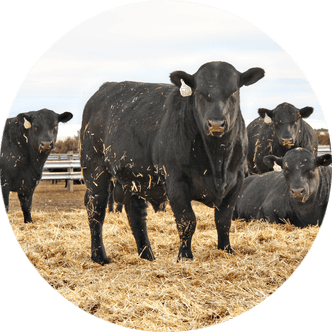
Dairies are really taking advantage of higher prices in the beef business, and meatpackers want all of the finished cattle they can get. As long as their calves and yearlings are black, they are making a premium from feeders or processors.
These week-old calves have started another industry for those who buy and raise them. They have learned the secret to raising a small calf and producing a healthy yearling. It is turning out to be a big business in the dairy industry.
Dairies have turned to technology to manage their water use and they are utilizing a number of other management tools. They have also learned to push back on fake milk products.
I salute the dairy industry for all they are doing.