Smoke and Livestock: UW Extension outlines impact of wildfire smoke on livestock health and performance
The University of Wyoming (UW) Extension Wildfire Webinar Series explores a wide range of wildfire topics and offers practical knowledge, expert perspectives and actionable steps to help communities better understand risk and stay resilient.
On May 14, the series examined the impacts of wildfire smoke on livestock, featuring a presentation from University of Idaho Associate Professor Amy Skibiel.
Skibiel’s presentation highlights current wildfire conditions across the U.S. and studies on the impacts of wildfire smoke on livestock, as well as tips and guidelines for protecting livestock during wildfire season.
Wildfire statistics
Wildfires are not a new issue facing ag producers, but they are becoming increasingly frequent and severe.
According to Skibiel, fire activity for 2026 is well above the 10-year average in terms of acreage burned, with roughly 25,000 wildfires already having scorched about two million acres across the U.S. – nearly double what has been recorded during the same time period.
“This is concerning, and experts are predicting this is going to be a potentially bad wildfire season,” Skibiel says, noting fire activity is starting early and exhibiting concerning patterns, as wildfire season typically starts in June.
Additionally, Skibiel em-
phasizes both wildfire severity and wildfire intensity have been increasing over the past several decades, and the highest risk of large wildfires is concentrated in the western U.S., posing threats to livestock and livelihood of agricultural producers.
Skibiel further explains the western U.S. is home to approximately four million dairy cattle and more than 5.5 million beef cattle, and therefore, understanding the risks wildfire smoke poses to livestock and preventative measures to help mitigate effects of wildfires is crucial.
Smoke and livestock
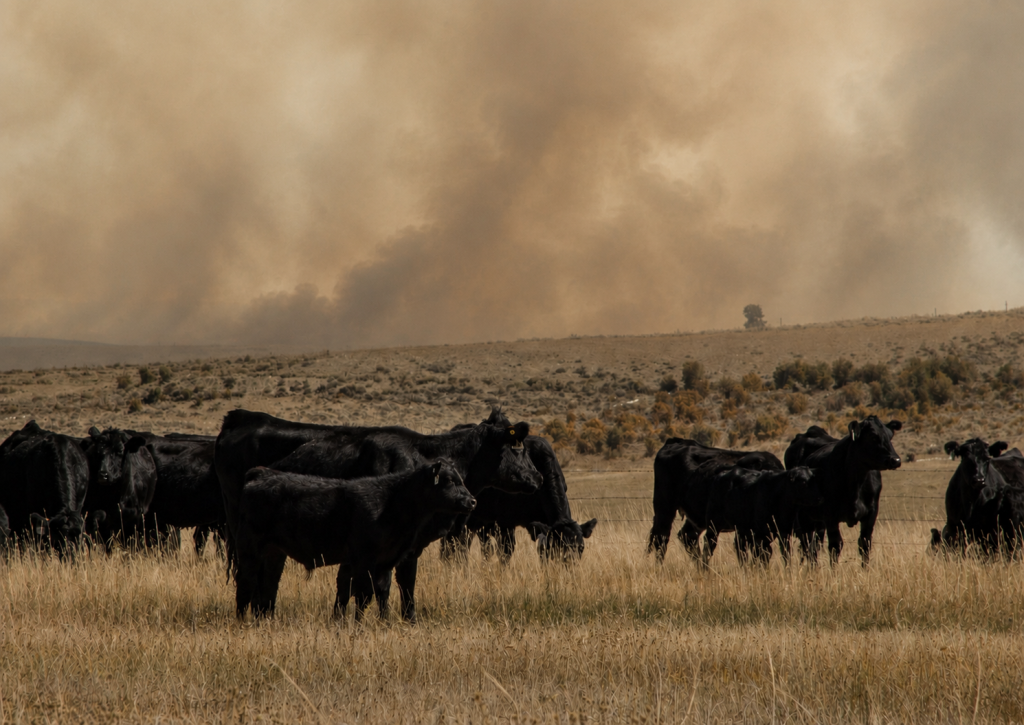
Wildfire smoke is hazardous to livestock, containing pollutants which can travel far distances and drastically impact both animal health and performance.
“With increasing frequency and severity of wildfires, we can expect a greater likelihood of adverse health impacts from poor air quality stemming from wildfires,” Skibiel says, noting common effects from wildfire smoke inhalation include decreased reproduction, respiratory issues like pneumonia and decreased meat and milk production, along with issues stemming from pasture loss.
In particular, Skibiel notes cattle are especially susceptible to respiratory disease due to unique characteristics of the bovine respiratory system.
“Livestock, especially bovine, have a lower capacity for gas exchange, as well as a longer trachea and bronchi,” Skibiel explains. “This means the length of time particles travel through the airways can increase, thereby increasing the likelihood of small particles depositing within the airways.”
Cattle also have lower levels of critical enzymes and immune cells responsible for clearing inhaled pathogens and breaking down particles, leaving them especially susceptible to lung complications and diseases like pneumonia.
Additionally, Skibiel references studies showing when beef calves are exposed to wildfire smoke, water and feed intake decreases, leading to consequences on both overall health and growth. Poor air quality poses the most risk to pre-weaned calves, which are especially sensitive to changes in their environment.
“In cattle, the pre-weaning period is a critical window for developmental sensitivity,” Skibiel notes. “Several studies have found reduced or compromised respiratory health in young calves is associated with decreased growth, decreased daily gain and even lower milk production in dairy calves at their first lactation.”
She also explains studies examining the effects of in-utero wildfire smoke exposure are ongoing, with many findings evidencing negative impacts including lower birthweights, immune suppression, heightened inflammation and changes in average daily gain both before and after weaning in young calves, as well as reduced lactation and changes in immune response and metabolism in lactating cows.
With this, Skibiel emphasizes some ways to protect livestock from the adverse effects of wildfires through management practices.
Protecting livestock
First, Skibiel recommends practicing proper barn and field maintenance to reduce the risk of damage from wildfire. Clearing brush and dry vegetation creates a defensible space to act as a buffer around property and reduces the spread of wildfires, Skibiel says.
Further, she recommends having an evacuation plan in place in case of emergency and emphasizes the importance of clearly communicating the details of this plan with crews and family members.
“During wildfire season, it’s important to monitor air quality conditions so you know what your animals are facing,” she says, further encouraging producers to monitor animals for symptoms of smoke exposure including watery eyes, coughing, difficulty breathing, nasal or eye discharge and reduced feed or water intake.
“Consult a veterinarian if you have any concerns,” she adds.
In the event of a nearby fire, Skibiel encourages producers to limit stressful management events including vaccination, weaning and transportation to reduce stress on immune systems and allow animals to focus energy on combatting wildfire pollutants.
Additionally, ensuring adequate water supply is crucial because water intake can help promote mucus production to line airways and help expel inhaled smoke particles.
Allowing animals time to heal in the event of smoke exposure is also important.
Finally, Skibiel emphasizes the importance of keeping good farm records, noting having a strong record-keeping system in place helps with reporting losses for insurance purposes in the aftermath of a fire.
“Consider taking photos of smoke and screenshots of air quality reports so you have evidence of both the consequences for your animals and the conditions at the time,” Skibiel recommends.
In closing, Skibiel details some online resources for producers to consult regarding wildfires and livestock health, including farmers.gov and livestockwildfirehub.org, noting the Livestock Wildfire Hub has several resources about the effects of wildfire smoke on cattle, as well as maps for monitoring air quality conditions.
Grace Skavdahl is the editor of the Wyoming Livestock Roundup. Send comments on this article to roundup@wylr.net.