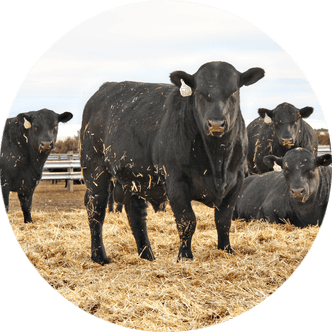
Genomic testing can offer competitive edge to commercial herds
Growing opportunities for utilizing genomics can bring a competitive edge to the commercial cow producer, according to Troy Rowan, assistant professor of beef cattle genomics at the University of Tennessee-Knoxville.
Rowan gave a presentation on genomic testing in the commercial cow herd on Nov. 10, 2025 during the 29th Annual Range Beef Cow Symposium, held in Cheyenne at the Event Center at Archer.
Overall, Rowan’s presentation underscored the ability of genomic testing to secure more confidence for producers and outlined some growing opportunities for incorporating genomic testing into driving profitability through female genetics.
Genomic testing
Genomic testing can offer a more complete picture of an animal’s genetic merit and help producers pinpoint which animals will offer genetic advantages to breeding programs.
“A genomic test captures the complete set of genetic material of an individual,” Rowan explained, noting these tests help predict complex traits, which are influenced by both genetic and environmental factors.
According to Rowan, genomic testing ensures more confidence when assessing the profit-pushing traits which matter greatly to producers.
“Carcass weight, cow fertility, and everything under the sun that matters to producers is largely a complex trait governed by a lot of different mutations across an animal’s DNA,” Rowan emphasized.
“Our interest in genetic diversity lies within finding animals with more ʽgood’ mutations,” he continued. “Making them parents in the next generation allows us to get to a point where we improve populations over the long term.”
Sire selection
Since bull performance is the main driving factor for success in most beef cow operations, Rowan encouraged producers not to overlook the potential positive impacts of incorporating genomic testing in sire selection.
“Even a median bull is going to have a genetic footprint on your herd 10 or 15 times bigger than your most productive cow ever will,” Rowan noted.
He emphasized combining genomic data with information from expected progeny differences (EPDs) can offer a more complete picture of a potential herd sire’s actual genetic potential, leading to a sounder investment.
“Genomics have allowed us to be much more confident genetic predictions in the form of EPDs are indicative of an animal’s actual genetic potential that he can deliver to an operation,” Rowan said.
“Genomically-enhanced EPDs increase our confidence, reduce our risk and make the investment in bulls – which are really expensive right now – that much more solid,” he added.
Cow herd application
In addition to strengthening confidence in herd sire selection, Rowan emphasized genomic testing can add value on the female genetics side.
“There’s a huge emerging interest in utilizing genomics in ways that can help advance genetics from the female side and potentially add value to feeder calves,” Rowan noted.
Rather than helping producers pick the perfect heifer initially, Rowan explained utilizing genomics can help producers avoid investing in the wrong genetics by providing “another set of data points to refine decisions with” throughout an animal’s lifetime.
“There is a significant correlation between a dam’s genetic potential as determined by commercial genomic tests and the performance of her offspring,” Rowan stated.
Using genomic testing can help producers identify heifers with more heterosis potential and invest in them, rather than lower-performing females, leading to a higher return on investment, Rowan explained.
Another valuable aspect of genomics, according to Rowan, is the ability to make targeted matings between herd sires and females.
“Genomics can help us find weak spots in our herd and in individual heifers and match those animals with complementary bulls to pull up weak spots in genetic composition,” Rowan explained.
Additionally, he explained genomic testing can help establish accurate pedigrees in calf crops by allowing producers data to trace parentage in herds where multiple bulls were present during the breeding season.
Overall, Rowan emphasized commercial genomics are not a one-size-fits-all process.
However, the technology offers ever-growing opportunities to the commercial cow/calf producer.
Grace Skavdahl is the editor of the Wyoming Livestock Roundup. Send comments on this article to roundup@wylr.net.