Gardening Prep: Experts provide gardening tips in time for spring
As spring brings warmer temperatures and longer days, gardeners are encouraged to get outside and start planting.
Proper preparation lays the groundwork for healthy, flourishing gardens.
As spring begins to unfold, expert gardeners offer advice on preparing plots for upcoming growing seasons.
Tidy up
Whether refreshing a past plot or establishing a first-time garden, thorough clean up is the first step to effective spring garden prep.
Clearing out old growth, plant debris and unwanted material is crucial to establishing a healthy base for new plants.
“Remove fallen leaves, debris and any accumulated dead plant material. This not only improves the aesthetic appeal of a garden, it also helps prevent the harboring of pests and diseases,” reads an undated Lucerne Farms blog post titled “A Fresh Start – Easy Ways to Prepare Your Garden for Spring.”
A May 2023 Wayside Gardens article titled “Eight Simple Steps for Planting the Perfect Spring Garden” adds well-composted organic matter can be incorporated into the soil, but fresher mulch providing winter protection should be raked away to expose underlying soil.
Early-sprouting weeds should be cleared out and properly disposed of to reduce the potential of competition after planting.
Gather supplies
A well-stocked garden shed is another key component of spring garden preparation, as proper tools make for a smoother planting season.
“Before diving into spring gardening, take inventory of garden tools,” reads the Lucerne Farms article. “Well-maintained tools make the gardening process more efficient and enjoyable.”
Tools like pruners, shears and hoes should be cleaned and sharpened to aid in smooth planting, and other materials including watering cans, hoses and plant supports like tomato cages and trellises should be assessed for damages which may have been sustained throughout the previous summer or during storage.
Experienced gardeners also recommend stocking up on fertilizer and soil amendments early and storing them in a dry place until its time to plant.
Prepare soil
Proper soil preparation lays the foundation for thriving plants and can be achieved in a variety of ways.
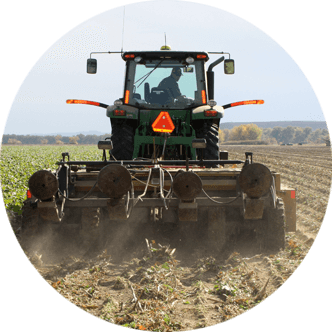
Since soil tends to become compacted throughout the winter months, one option to loosen soil is to turn it with a tiller or sharp spade.
Tilling helps aerate the soil and allows the perfect opportunity for incorporating organic matter such as compost and manure for natural fertilization.
In a March 2026 article titled “Spring Garden Tasks,” Iowa State University (ISU) Extension Educator Aaron Steil recommends light spring tilling to prepare soil for planting.
“For most home gardeners with average-sized gardens, light tilling is all that is needed in spring. Simply turn the soil with a fork, shovel, hoe or rake,” writes Steil. “This will only minimally disturb soils, allowing many of the advantages of tilling without the disadvantages.”
Gardeners may also choose to practice no-till methods of soil preparation, and one method outlined by Tilth Alliance Community Education Project Manager Marni Sorin in an article called “Preparing Spring Garden Beds” involves chopping or tearing cover crops into small pieces and covering the garden bed with burlap for roughly six weeks to allow organic materials to break down and soften up the soil.
Both Steil and Sorin highlight the importance of not working soil when it’s too wet as doing so can damage soil structure and create unintended soil compaction which makes it difficult for soil to drain properly and leads to challenges for organisms in the soil ecosystem.
To check moisture level, Sorin recommends creating a small ball of soil and tossing it into the air about 12 to 15 inches from waist height, then letting it fall into an open palm.
“If the ball sticks together the soil is too wet, but if the ball breaks into crumbles it is just right,” Sorin writes.
Additionally, Sorin notes lightly cultivating soil with a garden fork can help integrate compost and fertilizer while preserving soil microbes which help plants thrive and recommends working from the middle out to avoid treading on worked areas and undoing progress.
Start seeds
As gardeners continue to cultivate soil and monitor freezes, some plants can be started indoors in early spring.
Seeds started indoors should be transplanted to permanent plots through a process called hardening which involves gradually introducing seedlings to the elements.
“Over the course of one week, take seedlings outside, increasing the time by one hour every day,” reads a March 24 New York Botanical Garden article titled “Vegetable Garden Care – Preparing for Spring.”
“Do not place them in the blazing sun or in a windy site,” the article continues. “After the week, young seedlings will be ready to brave the elements and can be planted outdoors.”
Steil says mid-April is often an ideal time to start cool-season vegetable crops as these plants can tolerate light to moderate frosts but are often intolerant of high summer temperatures.
Broccoli, cabbage and cauliflower often do better when they are started as transplants, Steil writes, while other popular cool-season vegetables like carrots, beets, turnips, lettuce, spinach, parsnips and kale can be planted directly.
Multiple gardening experts agree a soil temperature of roughly 50 degrees Fahrenheit is a good benchmark for planting cool season crops.
Alternatively, warm season vegetables like tomatoes, peppers, cucumbers and melons prefer warmer temperatures and should be planted later in the spring after the last frost date, according to ISU Extension Specialist Richard Jauron.
After taking the necessary steps to prepare soil and start seedlings, gardeners can look forward to continued warmer temperatures and raising thriving crops with proper care.
Grace Skavdahl is the editor of the Wyoming Livestock Roundup. Send comments on this article to roundup@wylr.net.
Experts provide gardening tips in time for spring
As spring brings warmer temperatures and longer days, gardeners are encouraged to get outside and start planting.
Proper preparation lays the groundwork for healthy, flourishing gardens.
As spring begins to unfold, expert gardeners offer advice on preparing plots for upcoming growing seasons.
Tidy up
Whether refreshing a past plot or establishing a first-time garden, thorough clean up is the first step to effective spring garden prep.
Clearing out old growth, plant debris and unwanted material is crucial to establishing a healthy base for new plants.
“Remove fallen leaves, debris and any accumulated dead plant material. This not only improves the aesthetic appeal of a garden, it also helps prevent the harboring of pests and diseases,” reads an undated Lucerne Farms blog post titled “A Fresh Start – Easy Ways to Prepare Your Garden for Spring.”
A May 2023 Wayside Gardens article titled “Eight Simple Steps for Planting the Perfect Spring Garden” adds well-composted organic matter can be incorporated into the soil, but fresher mulch providing winter protection should be raked away to expose underlying soil.
Early-sprouting weeds should be cleared out and properly disposed of to reduce the potential of competition after planting.
Gather supplies
A well-stocked garden shed is another key component of spring garden preparation, as proper tools make for a smoother planting season.
“Before diving into spring gardening, take inventory of garden tools,” reads the Lucerne Farms article. “Well-maintained tools make the gardening process more efficient and enjoyable.”
Tools like pruners, shears and hoes should be cleaned and sharpened to aid in smooth planting, and other materials including watering cans, hoses and plant supports like tomato cages and trellises should be assessed for damages which may have been sustained throughout the previous summer or during storage.
Experienced gardeners also recommend stocking up on fertilizer and soil amendments early and storing them in a dry place until its time to plant.
Prepare soil
Proper soil preparation lays the foundation for thriving plants and can be achieved in a variety of ways.
Since soil tends to become compacted throughout the winter months, one option to loosen soil is to turn it with a tiller or sharp spade.
Tilling helps aerate the soil and allows the perfect opportunity for incorporating organic matter such as compost and manure for natural fertilization.
In a March 2026 article titled “Spring Garden Tasks,” Iowa State University (ISU) Extension Educator Aaron Steil recommends light spring tilling to prepare soil for planting.
“For most home gardeners with average-sized gardens, light tilling is all that is needed in spring. Simply turn the soil with a fork, shovel, hoe or rake,” writes Steil. “This will only minimally disturb soils, allowing many of the advantages of tilling without the disadvantages.”
Gardeners may also choose to practice no-till methods of soil preparation, and one method outlined by Tilth Alliance Community Education Project Manager Marni Sorin in an article called “Preparing Spring Garden Beds” involves chopping or tearing cover crops into small pieces and covering the garden bed with burlap for roughly six weeks to allow organic materials to break down and soften up the soil.
Both Steil and Sorin highlight the importance of not working soil when it’s too wet as doing so can damage soil structure and create unintended soil compaction which makes it difficult for soil to drain properly and leads to challenges for organisms in the soil ecosystem.
To check moisture level, Sorin recommends creating a small ball of soil and tossing it into the air about 12 to 15 inches from waist height, then letting it fall into an open palm.
“If the ball sticks together the soil is too wet, but if the ball breaks into crumbles it is just right,” Sorin writes.
Additionally, Sorin notes lightly cultivating soil with a garden fork can help integrate compost and fertilizer while preserving soil microbes which help plants thrive and recommends working from the middle out to avoid treading on worked areas and undoing progress.
Start seeds
As gardeners continue to cultivate soil and monitor freezes, some plants can be started indoors in early spring.
Seeds started indoors should be transplanted to permanent plots through a process called hardening which involves gradually introducing seedlings to the elements.
“Over the course of one week, take seedlings outside, increasing the time by one hour every day,” reads a March 24 New York Botanical Garden article titled “Vegetable Garden Care – Preparing for Spring.”
“Do not place them in the blazing sun or in a windy site,” the article continues. “After the week, young seedlings will be ready to brave the elements and can be planted outdoors.”
Steil says mid-April is often an ideal time to start cool-season vegetable crops as these plants can tolerate light to moderate frosts but are often intolerant of high summer temperatures.
Broccoli, cabbage and cauliflower often do better when they are started as transplants, Steil writes, while other popular cool-season vegetables like carrots, beets, turnips, lettuce, spinach, parsnips and kale can be planted directly.
Multiple gardening experts agree a soil temperature of roughly 50 degrees Fahrenheit is a good benchmark for planting cool season crops.
Alternatively, warm season vegetables like tomatoes, peppers, cucumbers and melons prefer warmer temperatures and should be planted later in the spring after the last frost date, according to ISU Extension Specialist Richard Jauron.
After taking the necessary steps to prepare soil and start seedlings, gardeners can look forward to continued warmer temperatures and raising thriving crops with proper care.
Grace Skavdahl is the editor of the Wyoming Livestock Roundup. Send comments on this article to roundup@wylr.net.