Calving Season Success: Experts provide reminders on ways to boost health, survival and profitability this spring
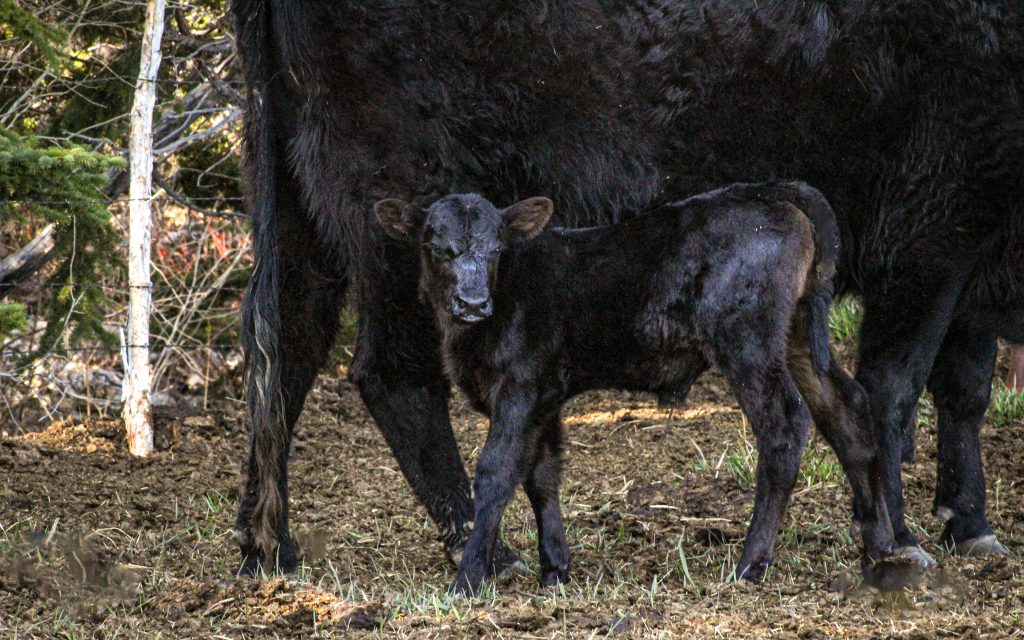
Calving season is arguably one of the most critical times of year for cattlemen, as a successful season sets the stage for overall herd performance, financial returns and long-term genetic progress.
With fresh calves currently hitting the ground – or expected to be soon – in spring-calving herds across the West, experts offer reminders on ways producers can increase the likelihood of a smooth and productive calving season.
Preparing the cow herd
Sources agree one of the most critical foundations for calving success begins long before operations start welcoming new members of the herd with overall herd health and nutrition.
Cows and heifers should enter the last trimester on a robust diet of energy, protein and trace minerals to support fetal growth, quality colostrum production and their own natural processes.
According to Purina Animal Nutrition LLC Beef Cattle Technical Services Director Ted Perry, producers should aim for a body condition score (BCS) of five or six on a nine-point scale as they approach calving.
“Cows with a BCS of six heading into calving season are in good shape, and the chances of a healthy birth are optimal. Plus, when a cow is in good shape, chances are her calf will be in good shape too,” Perry states.
“BCS can help predict which cows may have calving problems as well as calves that may need extra care,” he adds. “A BCS lower than six could mean the cow lacks nutrient reserves to support the calf’s immune system and colostrum production. A BCS higher than six could indicate the cow has a higher chance of dystocia because of more fat in the pelvic region.”
Former University of Nebraska-Lincoln (UNL) Master’s Student Alicia Lansford and UNL Extension Beef Cattle Reproductive Physiologist Rick Funston agree meeting late-gestational nutritional requirements is critical.
In an archived UNL Beefwatch article, Lansford and Funston note recent research has shown late-gestation nutrition of the dam can have lasting impacts on calf health, growth and performance, including increased weaning and yearling weights and improved marbling scores.
The two also mention the importance of providing adequate protein and energy prior to calving, recommending a diet of 7.9 percent crude protein (CP) and 54 percent total digestible nutrients (TDN).
“During winter months, forage CP and TDN values may fall below this requirement. Therefore, supplementation may be beneficial,” the UNL specialists note. “Previous research has determined 0.31 pounds of supplemental rumen degradable protein per cow per day is adequate to meet cow maintenance requirements overwinter for a March-calving herd.”
Readying facilities and equipment
Industry experts also agree producers should ensure their calving facilities and equipment are in safe, working order, as good facilities and proper tools can make all the difference between a smooth or stressful calving season.
“In general, nine to 10 months have passed since calving facilities were last used,” says former South Dakota State University (SDSU) Extension Cow/Calf Field Specialist Olivia Amundson in a Jan. 9, 2023 SDSU Extension article. “Time saving strategies prior to calving include a walk-through of the calving setup, inspecting all gates, pens and alleys for any damaged or broken items and making sure head catches and lighting are in working order.”
Amundson further notes cleanliness of calving facilities is critical to reduce the spread of disease, and she suggests pressure washing or steam cleaning hard surfaces.
It is also advised to lay down fresh bedding and having some stored close by to keep calves clean, dry and free from infection.
Additionally, it is recommended producers assemble a mobile and easily accessible calving kit stocked with essentials like obstetrical (OB) chains or straps and handles, long-sleeve OB gloves, lubricant, paper towels, a calf puller, halter and rope, oxytocin or epinephrine, iodine, sterile syringes and needles, an esophageal feeder, eartags and recordkeeping supplies.
Frozen colostrum or high-quality replacer, electrolytes and a scale for tracking calf weights are also valuable to have on hand.
Collaborating with a local veterinarian
In addition, experts encourage producers to ensure they have a close, working relationship with a local veterinarian throughout calving season.
Prior to calves hitting the ground or early on in the season, cattlemen and veterinarians should discuss past disease issues, region-specific risks and vaccination strategies to help optimize protocols for both cows and calves.
Producers should also tackle parasite control and other herd health concerns before calving begins.
Deworming and managing internal parasite loads can improve overall health and help cows direct more energy into calving and lactation rather than coping with subclinical parasitism.
Managing a successful season
When cows do start dropping calves, one of the most impactful – and labor-intensive – practices is frequent and careful observation, especially for first-calf heifers, and experts encourage producers to schedule regular checks every few hours, particularly during peak calving.
An April 18, 2025 blog post by 42 North Land Company emphasizes the importance of recognizing early signs of labor and knowing when to intervene, since attentive observation can help prevent loss and improve calving outcomes but over-intervention can stress animals and create complications.
“The goal is to be available when needed, without disrupting normal calving behavior,” the post reads.
The company goes on to note common indicators of active labor include isolation from the herd, a raised tail, restlessness, mucus discharge, repeated lying down and standing up and visible feet or water bag protruding.
It is also noted most cows deliver within two to three hours of entering active labor, while heifers may take slightly longer. If a cow has been straining for over 30 minutes without progress or if only one hoof is visible, experts agree it may be time to provide assistance or call a veterinarian.
Additionally, sources note the first few hours after birth are some of the most critical.
Colostrum contains necessary antibodies to protect new members of the herd against disease, so calves should nurse within the first two hours of life and receive roughly 10 percent of their body weight in colostrum shortly after birth.
If a calf cannot stand and nurse naturally, producers should be prepared with high-quality colostrum replacer or stored frozen colostrum to ensure adequate intake.
Producers should also closely monitor calves for signs of weakness, dehydration or cold stress, especially in early spring weather.
Additionally, specialists note selecting the right calving location can help reduce disease and stress. Choosing clean, dry areas with good drainage helps minimize risks of pneumonia and scours, and rotating calving pastures from year to year and providing shelter against wind and cold can further enhance calf comfort and survival.
Industry research has shown feeding cows later in the day results in more births during daylight hours, which allows for easier monitoring and faster response times should problems arise.
Good recordkeeping throughout the calving season – noting dam identification, birth date, assistance required and calf health status – can help producers evaluate herd performance and make informed decisions for future breeding seasons.
Hannah Bugas is the managing editor of the Wyoming Livestock Roundup. Send comments on this article to roundup@wylr.net.