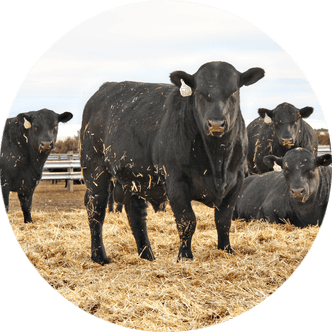
Cattle Numbers are Dropping
From the Publisher Dennis Sun
Cattle producers who liked cattle prices in 2025 should be happy with the 2026 price predictions.
Economists have looked at current cattle prices and numbers and many are forecasting higher prices for 2026.
One doesn’t have to crunch many numbers to realize less cows, high beef demand and not much interest in holding heifer calves for breeding adds up to higher prices.
The cattle inventory report released by the U.S. Department of Agriculture (USDA) towards the end of January reflected the numbers currently driving cattle markets. Cattle numbers were down year-over-year, which included all ages of cattle, down 0.4 percent compared to last year.
The 2025 calf crop was at 32.9 million head, the smallest population since 1941. The beef cow herd dropped another one percent year-over-year as of January 2026.
Currently, the beef cow inventory is at 27.61 million head, the smallest number since 1961. Since the cattle cycle peaked in 2019, with 31.64 million head, the beef cow herd has decreased 4.03 million head, which is a total seven-year drop of 12.7 percent.
Then, if you take those numbers and add lower heifer replacement numbers, total cattle numbers are not going to change much in the next few years.
And, as we know, if you are keeping an 11-month-old heifer calf for replacement to breed in June, she won’t have a calf to add to cattle numbers until nearly a year and a half later.
U.S. Health and Human Services Secretary Robert F. Kennedy Jr. attended the 2026 Cattle Industry Convention and told the 9,400 attendees, “The U.S. needs more beef. We are begging you to increase the size of your herds.”
Kennedy continued, “The new food pyramid encourages consumers to eat more protein. We need a lot of beef, and we want to make it right here in America. We don’t want to be importing it from other countries.”
I don’t think Kennedy realizes we can’t just flip a switch and have more cows.
During the same week, President Donald Trump increased the tariff-free quota of beef from Argentina from 20,000 tons to 100,000 tons. Questions surrounding Argentina being able to actually supply this increased quota still remain, as does the fact lean beef trimmings for hamburger make up the majority of imports.
We realize Trump wants to lower grocery prices, but it is going to be hard to do with low cattle numbers, especially with his administration pushing beef as a protein source on the new dietary guidelines.
We’re all thrilled to see beef supported on the Dietary Guidelines for Americans, but it may be one of those issues where we need to let prices follow the market demand.
In 2015, cattle numbers were low and prices were high. Ranchers were quick to hold back heifer calves for replacements and cattle numbers climbed quickly in the following years. Those higher numbers killed the markets. This time, all of the experts are saying building back cow herd numbers will be a lot slower.