Holiday Traditions: Ag takes center stage in seasonal celebrations
From sharing meals and exchanging gifts to decking the halls with the symbols of the season, many of America’s most cherished holiday traditions begin with agriculture.
Agriculture is the industry that helps every American celebrate, and it should be celebrated accordingly.
As Americans nationwide prepare to partake in their favorite holiday traditions, a spotlight on the industry that makes it all possible adds extra meaning and appreciation to the most wonderful time of the year.
Season’s eatings
A holiday feast featuring food from American farms and ranches is the prime example of ag in action during the holidays.
While every meal begins with ag no matter the time of year, the holidays are the perfect time to take an extra moment to count the blessings of good food and good company.
Across the nation and the world, proteins like prime rib, roast beef, turkey, ham and lamb are the main attraction of holiday plates.
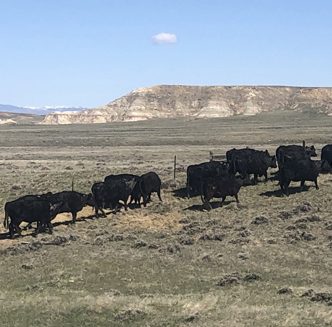
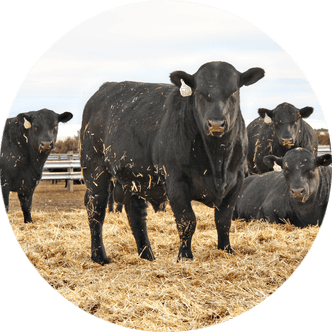
Ranchers in Wyoming and beyond make this possible, and their tireless efforts raising livestock span months and even years before the bounty is shared at the dinner table.
From appetizers like deviled eggs and pickled vegetables to side dishes like mashed potatoes and casseroles, every aspect of holiday dinners begins with the hard work of farmers and ranchers.
Seasonal treats like creamy eggnog, fresh-baked pies and festive Christmas cookies also rely on agricultural staples like eggs, spices and dairy products.
From candy canes to coffee syrups, the winter season wouldn’t be complete without peppermint.
According to statistics from AgHires, the U.S. is responsible for roughly 70 percent of the world’s peppermint and spearmint supply.
Mint production is concentrated primarily in the Pacific Northwest – the same region responsible for most of the nation’s commercial live Christmas tree production.
O Christmas Tree
The crowning jewel and most iconic symbol of the holiday season is arguably the Christmas tree.
Every December, elegant evergreens adorned with shiny ornaments and twinkling lights help welcome Santa and the holiday season to homes and businesses across the nation.
Locally-sourced live trees – whether purchased commercially or harvested – offer many economic and environmental benefits.
Choosing local, live trees over imported, artificial ones supports farmers and boosts the economy, and since real trees are renewable resources, they can be recycled through local community recycling programs or repurposed into things like firewood or even furniture.
The National Christmas Tree Association (NCTA) notes approximately 25 to 30 million real Christmas trees are sold annually in the U.S., and the 2022 Census of Agriculture reflected roughly 10,000 Christmas tree farms encompassing 293,000 acres nationwide as generating an estimated $553 million in revenue.
Data collected by the American Farm Bureau Federation (AFBF) in 2022 shows Oregon, North Carolina, Michigan, Washington and Pennsylvania as the top five states responsible for Christmas tree production, and NCTA estimates the Christmas tree industry helps provide employment for upwards of 100,000 people.
In contrast, AFBF reports around 90 percent of artificial trees sold in the U.S. are imported from China, taking support away from U.S. jobs.
In addition, the U.S. forestry industry helps fuel the production of wrapping paper – another holiday staple.
Even wrapping paper alternatives such as linen, cotton and burlap have roots in ag.
‘Baa’ humbug
Although animals like reindeer and horses may be more readily associated with the Christmas season, the sheep’s role in holiday traditions should not be overlooked.
Sheep can be found lining the manger in classic Nativity scenes and are primary features of pastoral scenes of wintry fields and farmhouses which adorn many holiday cards and decor.
When windy, wintry weather cuts across the Wyoming terrain, sweaters, scarves, mittens and hats made of quality sheep’s wool provide warmth and protection for sledders, sleigh-drivers and ranchers alike.
Even the most classic Christmas treat – the candy cane – pays homage to the sheep and wool industry, as its curved shape is said to be modeled after a shepherd’s crook.
In addition, felted ornaments, festive “ugly” sweaters and wool stockings hung by the fire also bring holiday cheer by way of one of the West’s most important four-legged agricultural staples.
Merry and bright
Twinkling lights add a comforting glow to the chilly winter season and provide the backdrop for many cherished holiday memories.
Nowadays, electric lights often take center stage in commercial holiday decorations, but candles made of beeswax and other natural materials continue to shine in Advent ceremonies, Christmas Eve services and Hanukkah menorahs, lighting the way for important religious celebrations throughout the nation.
A wood-burning stove brings cheer to holiday gatherings, and warmth from the blaze is a welcome reprieve from the elements for a rancher coming in from long hours spent chopping ice or feeding livestock.
Even during the holidays, farmers and ranchers rarely take a day off.
Agriculture is the backbone of America in every season. It is the industry responsible for bringing people together during the holidays and beyond.
Grace Skavdahl is the editor of the Wyoming Livestock Roundup. Send comments on this article to roundup@wylr.net.